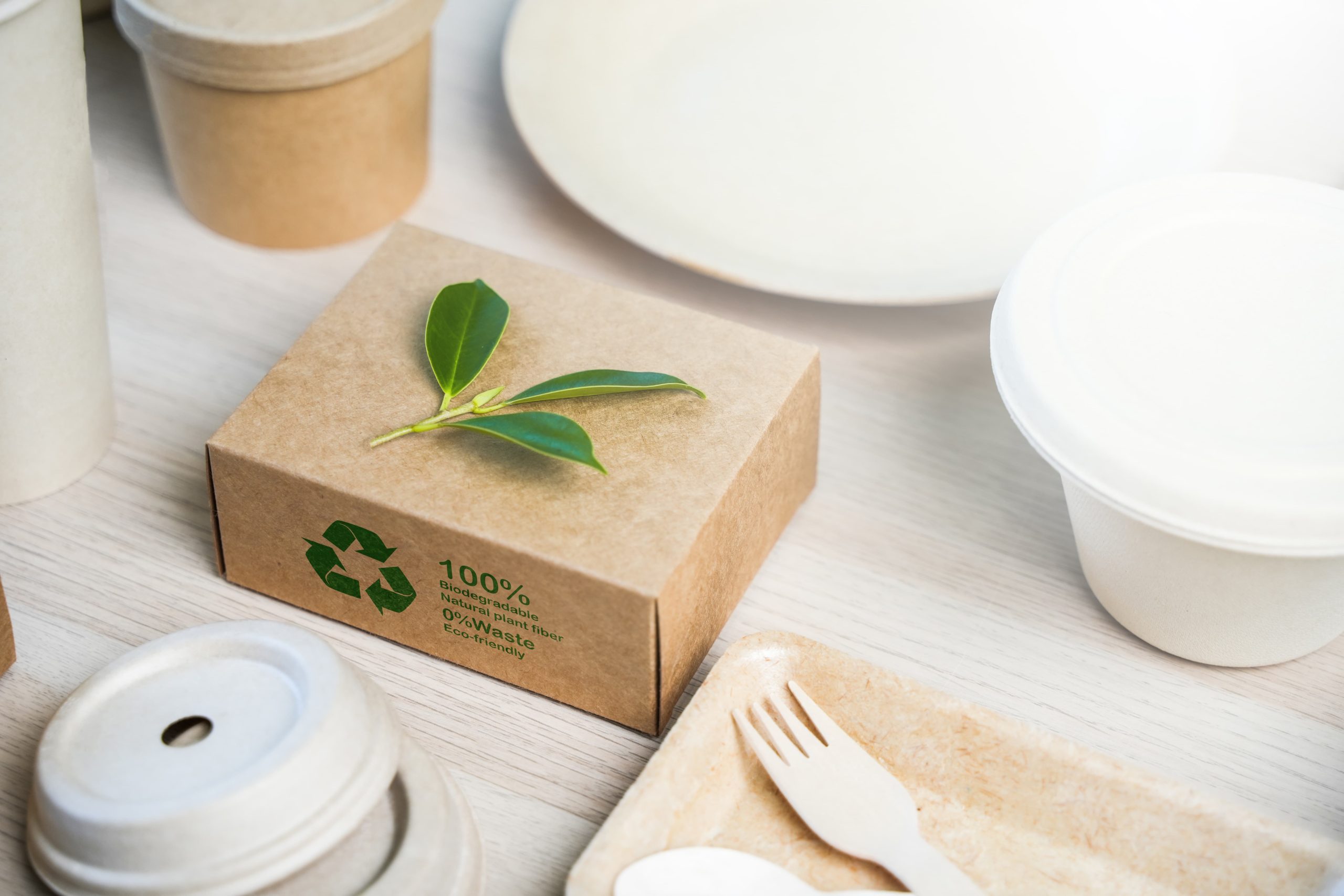

As 2026 gets underway, new packaging regulations are reshaping how products are made, labeled, and distributed. Several states have introduced laws aimed at reducing plastic waste, limiting PFAS chemicals, and encouraging more sustainable packaging options. Changes that will directly affect manufacturers, distributors, and end users.

  • California: Plastic grocery bags are no longer permitted at checkout. Retailers may only offer recycled paper bags, with stricter recycling label requirements taking effect later this year.
  • Illinois: Single-use hotel toiletry bottles are now banned statewide, along with food packaging containing intentionally added PFAS.
  • Maine: PFAS will be prohibited in many paper-based food packaging materials beginning May 25, 2026, with broader restrictions planned for 2032.
  • New York: The state’s foam ban now includes coolers and ice chests, and restrictions on small plastic hotel bottles have expanded.
  • Virginia: All food vendors must comply with polystyrene container bans starting July 1, 2026.
  • Washington: Fees on plastic carryout bags have increased, reinforcing reusable and recycled-content alternatives.

These regulations signal a clear trend toward recycled content, PFAS-free materials, and reduced single-use plastics. For distributors and manufacturers, staying ahead means reviewing product portfolios, educating customers, and preparing for compliance well before enforcement deadlines hit.

Learn More
Related Posts